Monday, December 20, 2021

Marla Ahlgrimm: DASH Your Way To Better Health

Marla Ahlgrimm

Diets are hard, which is a fact of life known to just about all women. But, according to Marla Ahlgrimm, diets are not the way to lose weight or take control of your health. Instead, she recommends eating according to a heart-healthy plan, which is much easier to handle than a restrictive diet. 
 
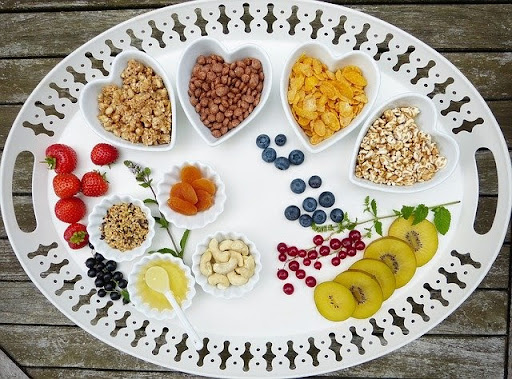
One eating plan to follow is known as the DASH diet. According to Marla Ahlgrimm, it is extremely flexible and simply requires followers to meet daily and weekly goals for their nutrition. Loose rules of the dash eating plan include: 

Thursday, December 9, 2021

Marla Ahlgrimm Shares Thoughts On Sadness In The Winter Months

How does sunshine affect your mood? According to retired healthcare professional Marla Ahlgrimm, the sun, or lack thereof, can have a significant impact on your overall mood throughout the long winter. 
 
If you have ever noticed that you feel fatigued, cranky, and generally down from November through late February, you may be suffering from a mild form of seasonal affective disorder (SAD). According to Marla Ahlgrimm, SAD is a type of depression that is triggered by the time change of the winter months. As the sun begins to set - sometimes as early as 4 PM - we have less daylight. Less daylight means less energy. Why? 
 
Marla Ahlgrimm explains that the summer sun means more exposure to sunlight. This leads your brain to producing more serotonin. This hormone, which is closely intertwined with our moods, dips when it is darker for longer. This can leave us feeling like a shell of ourselves and longing for spring. 
 
Symptoms of SAD include pulling away from friends and family, uncontrolled fatigue, increased hunger, and extreme anxiety. Marla Ahlgrimm says that only about 2% of the population experiences true seasonal affective disorder, but the vast majority of us are affected in some way by longer nights and shorter days. 

Sunday, November 28, 2021

Marla Ahlgrimm On Common STDs

Marla Ahlgrimm
Although nearly half of the 20 million STD cases diagnosed each year are among people ages 15 to 24, Marla Ahlgrimm says it’s never too late to learn about sexually transmitted viruses. All women who are sexually active should have at least a fundamental understanding of issues they might encounter. Here are a few of the most common STDs. 
 
HPV 
 
By far the most common virus transmitted between people. According to Marla Ahlgrimm, HPV is the virus that causes genital warts. However, it does not always show signs, and the vast majority of people spread it without ever knowing they have it. 

Herpes 
 
You’ve probably heard of herpes, but do you know what it does? Marla Ahlgrimm explains that herpes is responsible for common cold sores and fever blisters. The sexually-transmitted variant can also cause genital blistering. Alarmingly, herpes can have a significant negative impact on a developing fetus, particularly if a woman becomes infected within the first 12 weeks of pregnancy. 

Tuesday, November 9, 2021

Marla Ahlgrimm On Skin Cancer Types

When it comes to skin cancer, there are two common types. According to Marla Ahlgrimm, these are squamous cell and basal cells. Here, the women’s health entrepreneur offers up a bit of information on the two. 
 
Q: What is cancer? 
 
Marla Ahlgrimm: Cancer is essentially cells in the body growing abnormally. It can happen anywhere. Skin cancer almost always starts on the top layer of the skin, which is called the epidermis. Skin cancer is often caused by exposure to sun or tanning beds, but, sometimes, it is the result of having a weak immune system or having come into contact with toxic chemicals.  
 
Q: What are squamous cells? 
 
Marla Ahlgrimm: Squamous cells are a type of cell that grows on the outermost layer of the skin. They are perfectly normal, and they are continually regrown and shed. However, occasionally, the cells grow outside of the spectrum of normal. This is when they become skin cancer or, medically, squamous cell carcinoma. 

Wednesday, October 27, 2021

Marla Ahlgrimm: What Causes Bleeding After Sex?

Marla Ahlgrimm
Sex is supposed to be an enjoyable experience. However, there are times when the joy can turn to fear, particularly for women who experience bleeding after intercourse. According to Marla Ahlgrimm, postcoital bleeding is not uncommon, but it might be cause for concern. 
 
Q: What causes bleeding after sex? 
 
Marla Ahlgrimm: There are many potential causes of postcoital bleeding. One of the most common is pelvic inflammatory disease. Vaginal dryness, cervical polyps, and, in extreme cases, cervical cancer are also known issues that can trigger bleeding after intercourse. However, often, bleeding after sex may be the result of the cervix shedding its lining, which can happen several days before and after a woman’s period. 
 
Q: How do I know what’s causing my postcoital bleeding? 
 
Marla Ahlgrimm: It happens outside of your period, it’s probably best to see your doctor. They will likely administer a pregnancy test and a pelvic examination. This involves inserting two fingers into your vagina to manually feel for abnormalities. Your physician will also insert a speculum into your vagina to look for issues not felt. This exam will feel much like a routine Pap smear/visit to your gynecologist. 

Monday, October 11, 2021

Why Do My Hormones Matter? Marla Ahlgrimm Explains

Marla Ahlgrimm

By now, you already know that your hormones are tiny chemical messengers that pretty much tell everything in your body what to do. But, how do they work, can you have too many hormones, and can we influence our hormone production or is it entirely controlled by the body? Marla Ahlgrimm answers these and other questions below. 
 
According to Marla Ahlgrimm, your body creates hormones and, when you eat, exercise, and get enough sleep, your body usually maintains the exact balance you need to perform virtually every function. But, there are many things that you can do to influence your hormone production. Not sleeping enough, using too many pesticides and herbicides, ingesting man-made chemicals, and living a stagnant lifestyle all affect your body’s hormone production. 

Tuesday, September 28, 2021

Gender And Metabolism | Marla Ahlgrimm

Marla Ahlgrimm
We’ve all heard the joke about the woman who quits drinking sodas and gains three pounds while her similarly-abstaining husband loses 20. As ridiculous as it sounds, there is a slight grain of truth, although Marla Ahlgrimm says that it doesn’t really have that much to do with gender, but more size and body mass. 
 
According to Marla Ahlgrimm, women do have slightly slower metabolisms than their husbands and brothers. However, this biological function isn’t necessarily different because of gender, but more because women tend to have more fat on their bodies than men. But, higher muscle mass is the result of sex hormones, specifically testosterone. Women have higher estrogen levels and, proportionately, more body fat. Muscle burns fat faster; therefore, men are typically more efficient at the process. 
 
Another difference between men and women relating to fat is where it’s stored. Women tend to be lucky in that fat is distributed more evenly across the body. Women also have more subcutaneous fat, which is easier to lose and poses fewer health risks than visceral fat, which is more common in men. Visceral fat stored in the abdominal cavity. If you’ve ever seen a man with a “beer belly,” then you have seen visceral fat at work.